
Pensamientos
In order to contribute to the legacy of profound writing on AfroLatinidad, disseminate experiential knowledge, and to engender dialogue; the afrolatin@ forum is sponsoring written contributions in the form of essays, blog posts, or op-ed pieces that will continue to unearth an understanding of Blackness, AfroLatinidad y la Diáspora.
Knowledge in the Service of Freedom: Dr. Johanna Fernandez and Intellectual Marronage
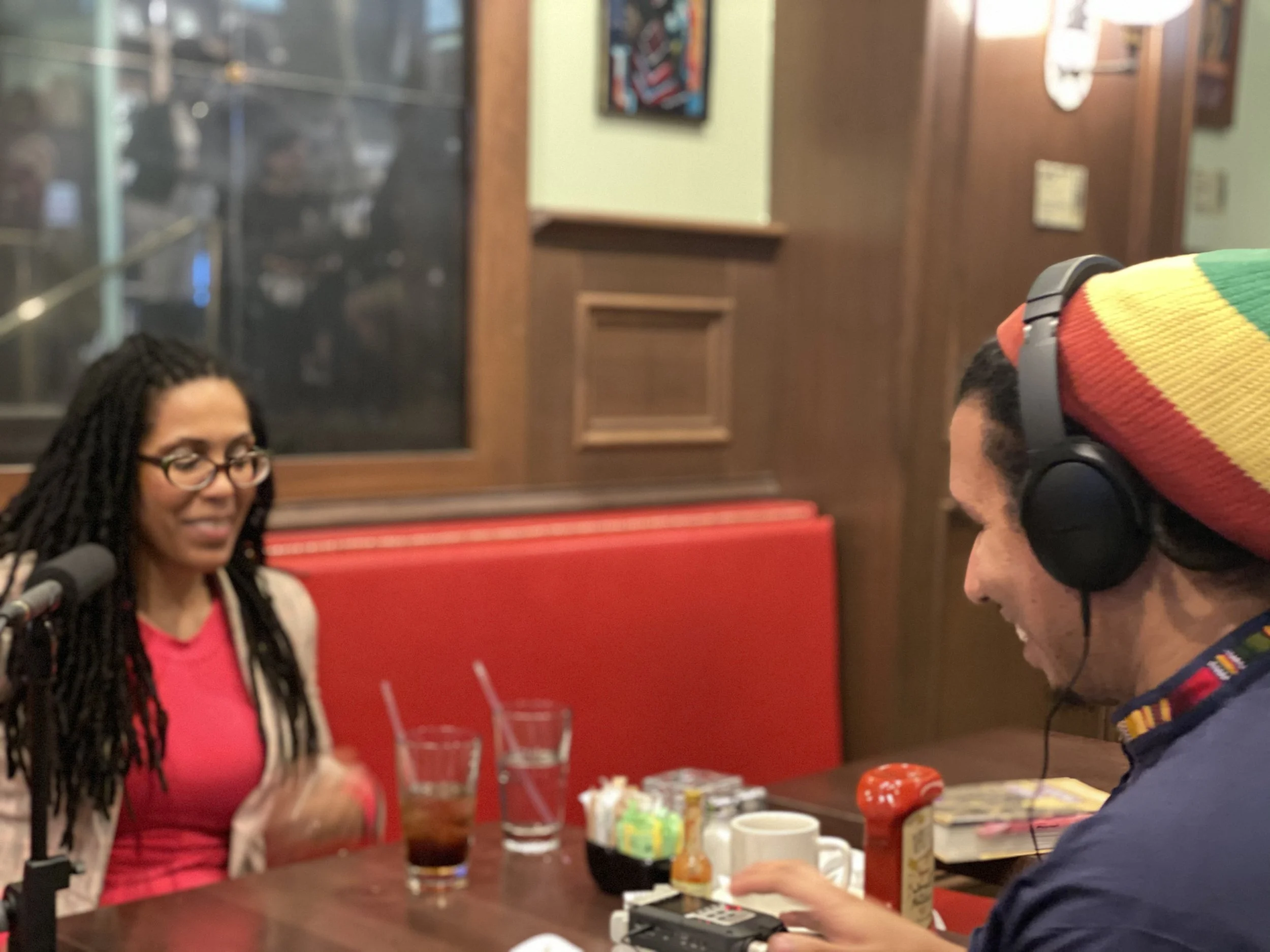
Dr. Joanna Fernandez was an esteemed historian and abolitionist whose scholarship recovers the intellectual, political, and community history of the Young Lords. She authored The Young Lords: A Radical History, edited Writing on The Wall: Selected Prison Writing of Mumia Abu-Jamal, and co-edited The Roots of Mass Incarceration in the US: Locking Up Black Dissidents and Punishing the Poor with Mumia Abu-Jamal. She taught on social movements, researched, litigated, and uncovered primary documents that led to recovered police surveillance records, including those involving Malcolm X. Dr. Fernandez embodied intellectual marronage through her research, writing, knowledge sharing and transfer, relationship building, and community memory work. Some scholars observe freedom movements. Others, like Dr. Fernandez, let the ethics of those movements shape how they move through the world.

A Race Reflection 25 years after 9/11
When our democracy was attacked 25 years ago, we asserted the importance of acknowledging each victim and thereby according them dignity. This administration’s attempts to undermine an inclusive and equitable census should be met with the same demand for the respect of human rights.
Maria’s Memories: Congo After Independence
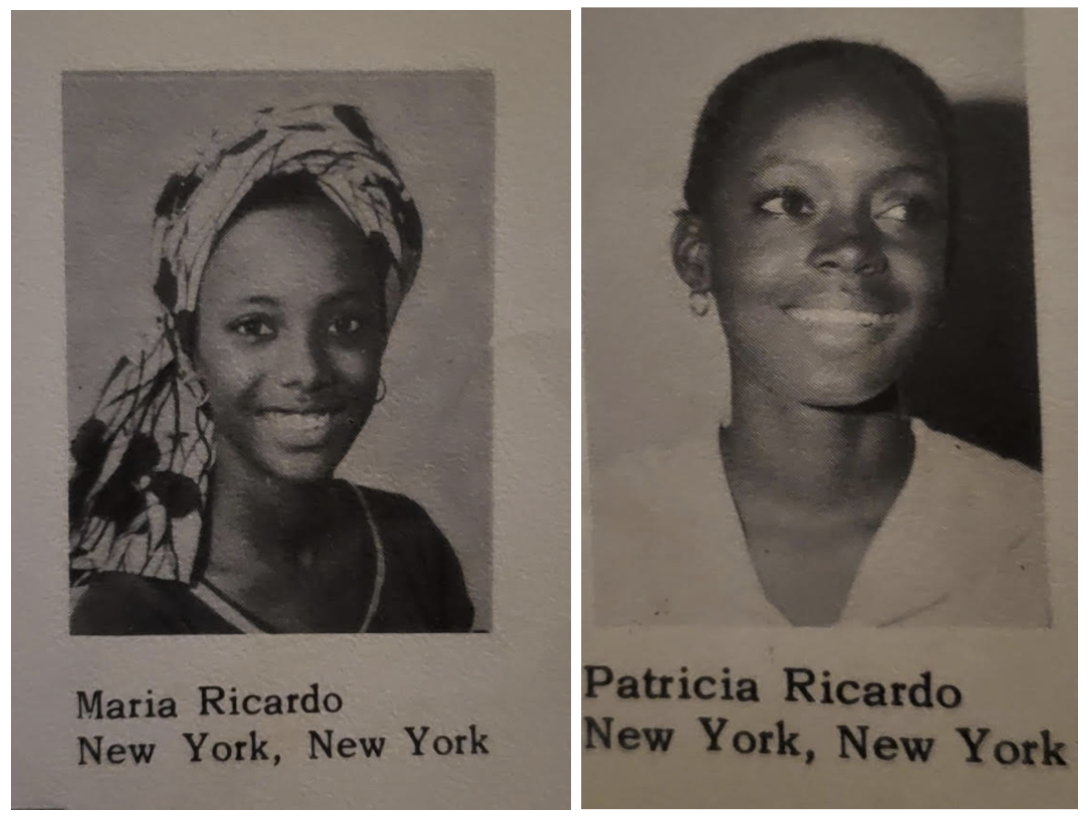
Follow Ayannas interview, Maria's Memories: Congo After Independence tracing one woman's journey from Harlem to Kinshasa during the years following Congolese independence. Blending personal memory with historical context, the interview reveals how African American and Caribbean diasporic communities helped shape postcolonial Congo through education, culture, and everyday life, offering a rare perspective on a chapter of Black international history.

What Do I Do if ICE Is in My Community?
As Immigration and Customs Enforcement (ICE) descends upon cities throughout the U.S., its presence has created a tense and ever-changing situation for impacted communities. Whether you’re experiencing a crackdown or are fearful of where agents will head next, it’s important to support your neighbors and help your community through this unique situation.
On this page, the team of compassionate immigration lawyers at Shamieh Law explains what you can do if ICE is in your city, how to protect yourself and your neighbors within the law, and how to stay safe during enforcement activity.
“The Other African Americans” by Miriam Jiménez Román
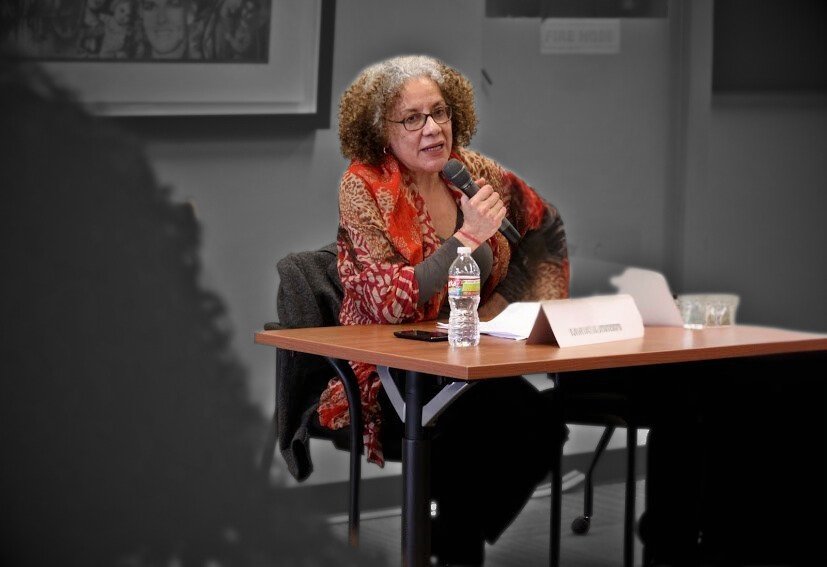
For many, if not most, of the intended audience, accustomed to thinking of Latin Americans as simply a Spanish and Indian mix, Black in Latin America is nothing short of a revelation, the very title presenting us with two concepts not usually linked together. The series challenges this long-standing perceptual disconnect between blackness and Latinidad with facts and figures that firmly locate Africans and their descendants as pivotal actors in the history and culture of Latin America.
At the same time, the documentary is plagued by an apparent ambivalence as to just how “Black” Latin Americans and Caribbeans can really be. This interplay/volleying between affirmation and interrogation of blackness in Latin America is a running/ever-present/constant subtext that suggests the complexities of racial formations forged in different contexts but ultimately relies on unenlightening sound bites and tired clichés.
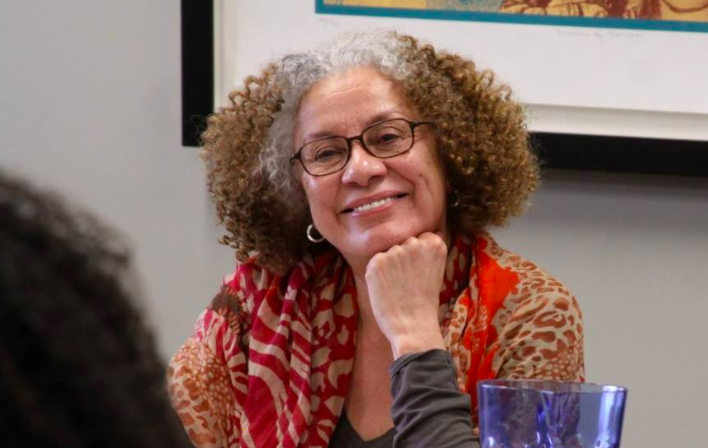
Legacy: What Miriam Jiménez Román Taught Me About Race & Afro-Latinx Studies
I was connected with Miriam Jiménez Román in May 2020 as part of my “Afro-Latinx Revolution: Puerto Rico” documentary project, but her book The Afro-Latin@ Reader sat on my shelf much longer. Those who know the pioneering scholar and activist’s work (recently profiled in The New Yorker) understand the significance of her book published in 2010, just a couple years after I graduated college. I had always been hungry for scholarship like hers and the centering of Blackness in Latino studies.
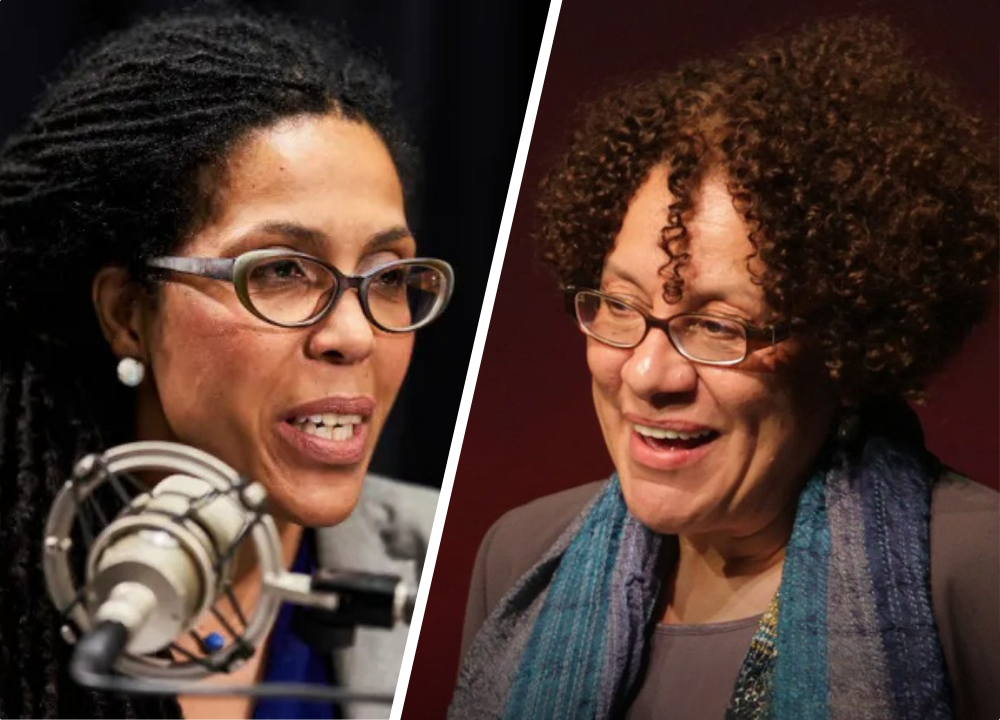
A Dialogue on Blackness and Identity between Dr. Johanna Fernández & Miriam Jiménez Román
What makes the work of Miriam so profoundly unique is her ability to build bridges across academic traditions. Whether engaging with historiography, sociology, the arts, or archaeology, Miriam was a scholar who fearlessly delved into every facet of academia to unearth the stories of Black Latinos and to firmly center Blackness in her work and in the world.
A testament to this legacy is her enduring collaboration with the incredible Dr. Johanna Fernández. As a prominent Black Latina academic and radio host, Dr. Fernández interviewed Miriam on several occasions. Together, they explored critical topics, including the history of the Young Lords, a movement Miriam witnessed firsthand while living in East Harlem. Through these conversations, she offered a nuanced, multifaceted perspective on the legacy of the Young Lords, applying both a critical and an appreciative lens to their role in our society.
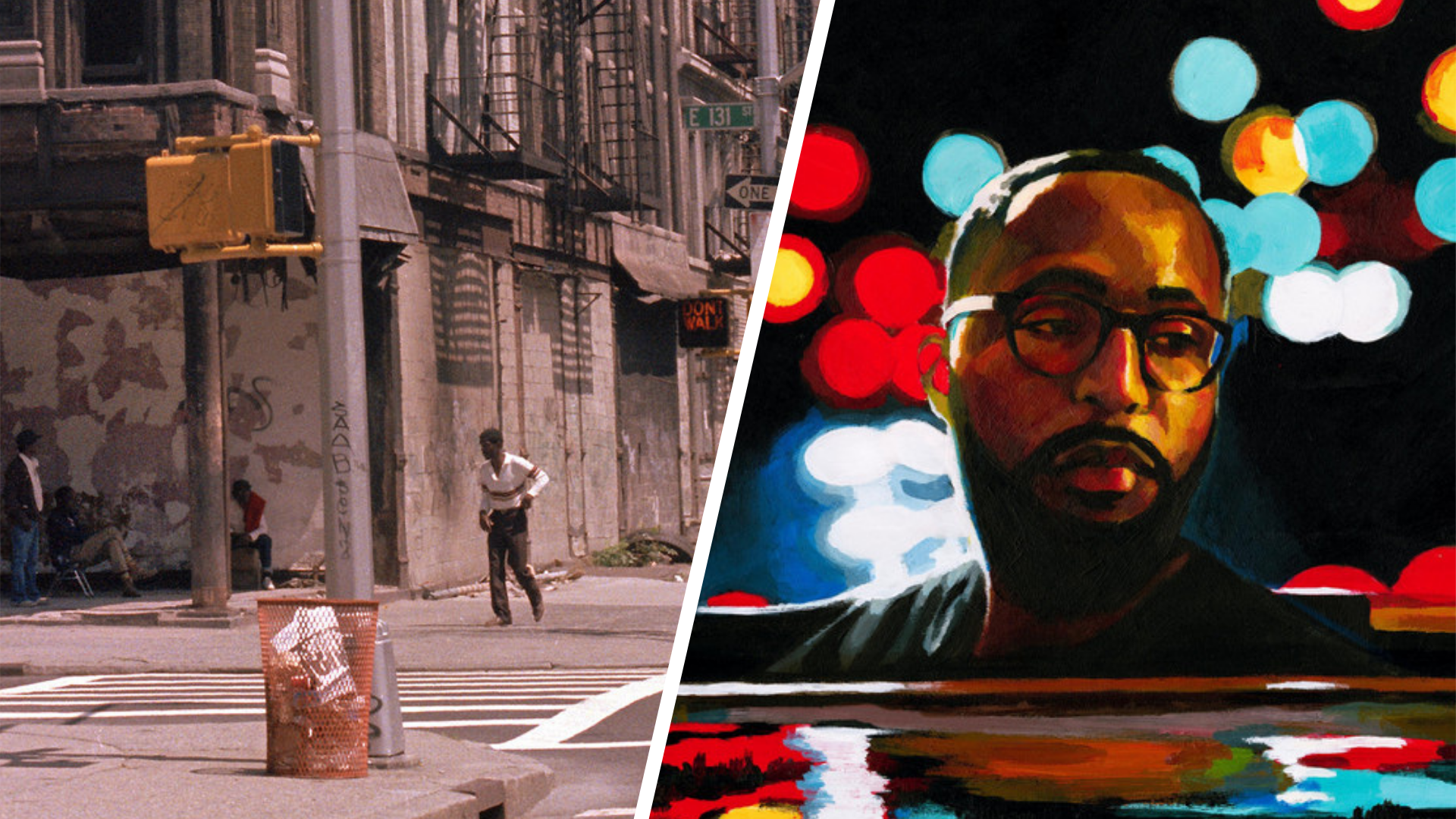
Alma y Corazón: A Jazz Tribute to Miriam Jiménez Román
Miriam was more of a tía to me than the one I was related to by blood. It wasn’t necessary because of the quantity of time we spent together, but, like anyone of us who realize we share a soul with someone else, it was because of spirit — alma y corazón.
Miri was an uptown kid, like me, but she was of my parent’s generation. When I met Juan in college and our relationship evolved from student/professor to friends to something closer to familiares, it took me little time to realize how Miri was Juan’s intellectual and “spiritual” (in the way that your spirit keeps you alive) rock. They were each other’s rock. Miri had serious spirit. Miri saw no reason to mince her words. And if Miri cared for you even a little bit, she’d fry you.
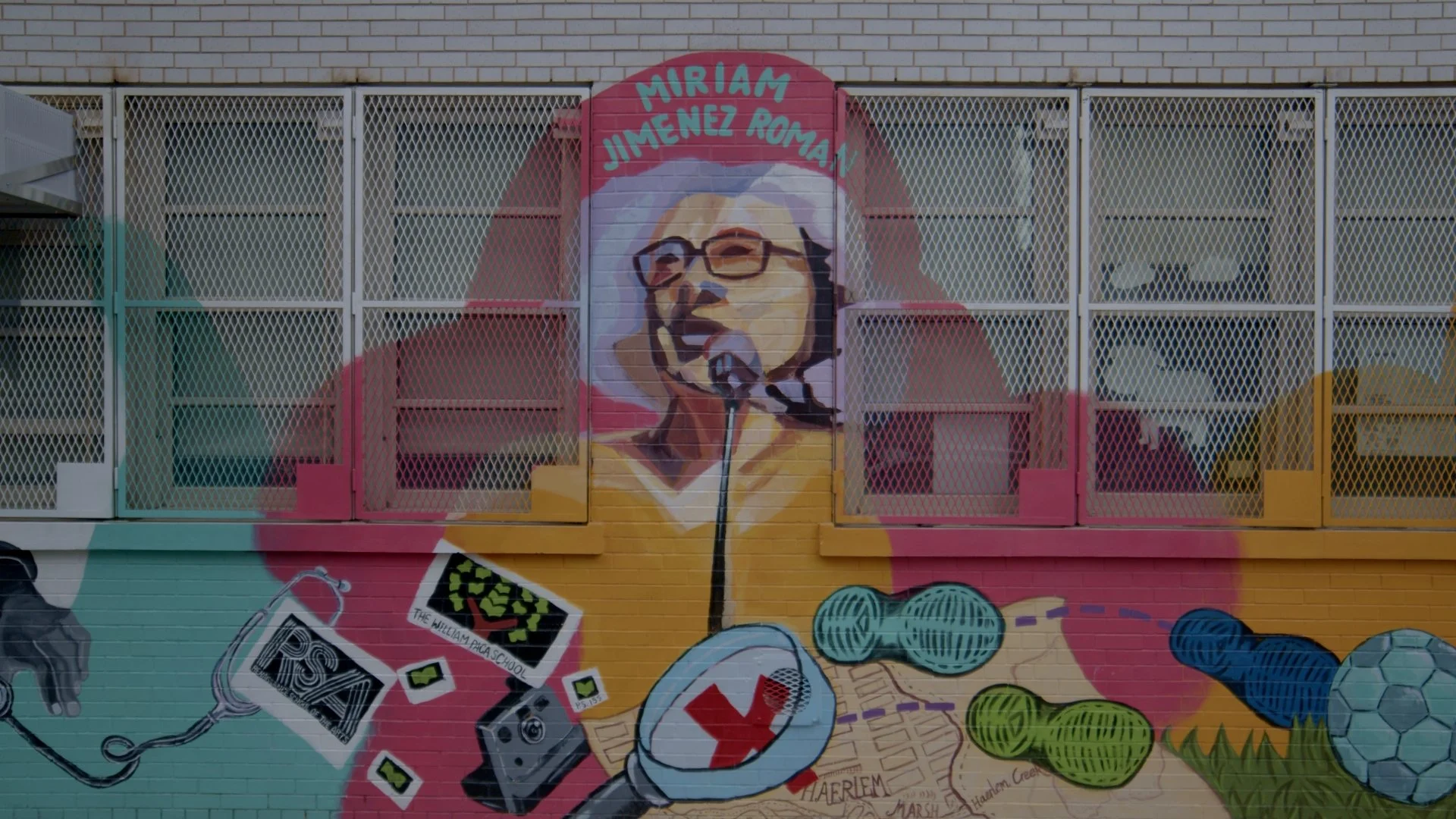
Los Pilares de Cambio: Finding Miriam in the Heart of El Barrio
What would have made Miriam incredibly proud is that the figures were chosen by the two schools who collaborated on the murals themselves. The principals of the schools chose the theme, while the students and teachers selected the icons who would grace the facade. The creation process was as impactful as the final image, especially considering that for many students, this project was their first real exposure to the arts.
Q&A with Miriam Jiménez Román
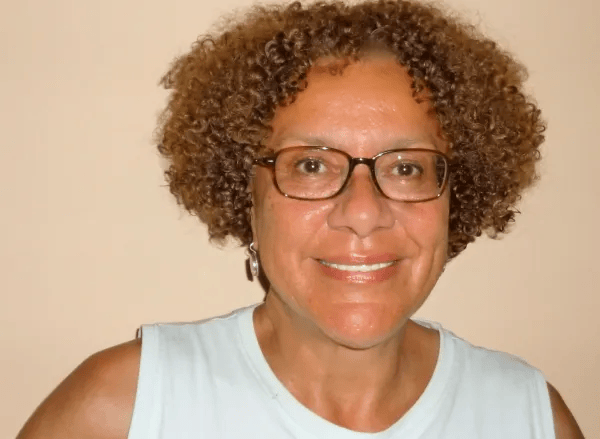
March 30, 2012 - In February, Latina magazine listed “6 Afro-Latinas Who Are Changing the World.” Naturally, Miriam Jiménez Román was second on the list.

Carta a Miriam Jiménez Román:
It’s June 11th, your birthday, and I can imagine myself ending a long subway ride at the Atlantic Station, still wrestling with which ofrenda to bring you, or better said: which would least frustrate you. El biscochito you love pero hecho por “el presentao,” whose bakery you vowed to never patron again, or pick up another pinot? I know this to be your favorite wine though you never drink a drop of my selections.

“Africa's Legacy in Mexico: What Is a Mexican?” by Miriam Jiménez Román
To understand the implications of the people of Yanga--and of Cuajinicuilapa, El Ciruelo, Corralero, and other like communities--we must go beyond physical appearance, cease determining the extent of Africa's influence simply by how much one "looks" African, and go forward to critically examine what indeed is Mexico and who are the Mexicans. So, yes, there are black people in Mexico.
Remembering Miriam Jiménez Román
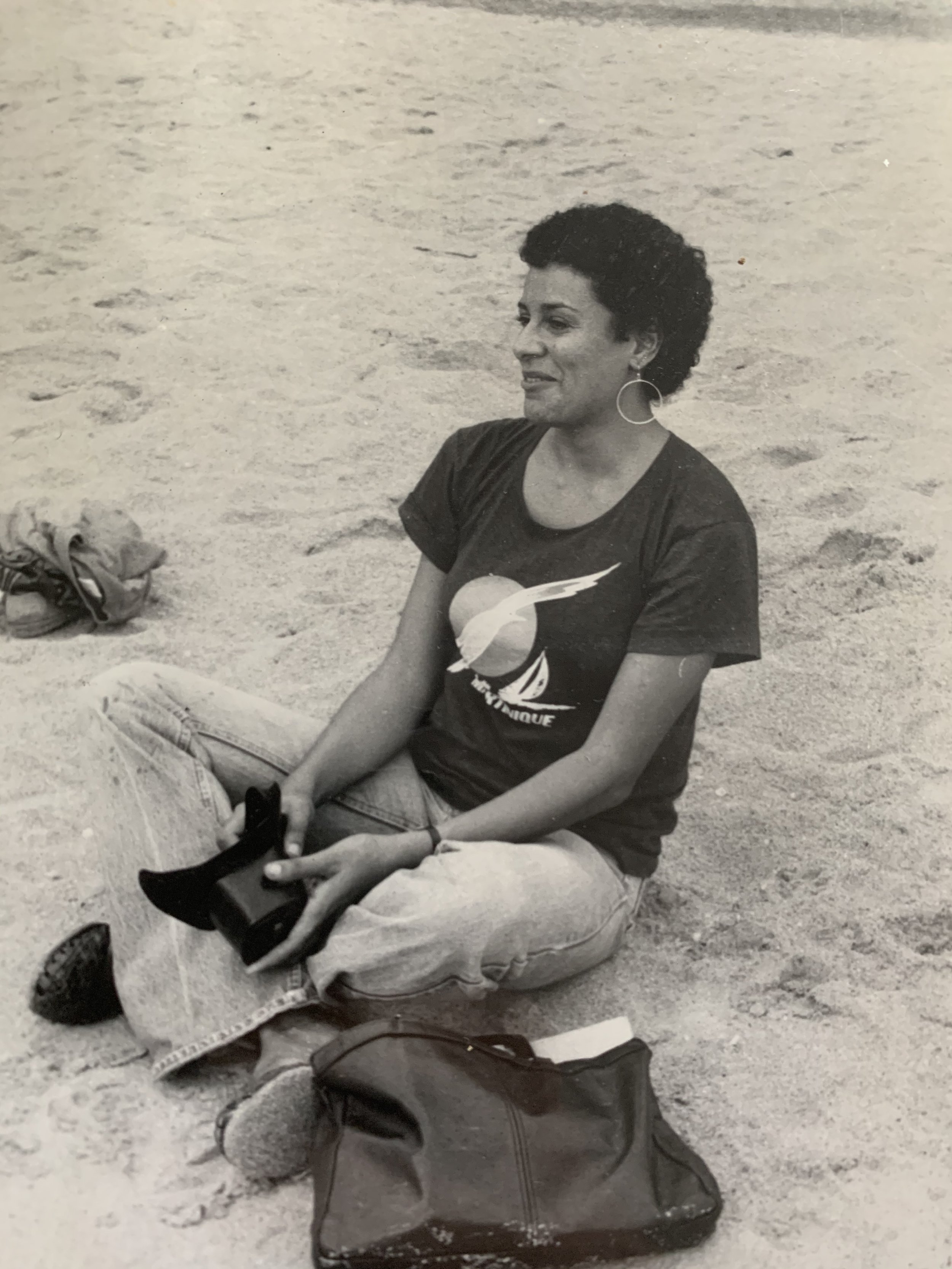
Personally, I find guidance in her words from that same speech: "A lot of the work we have to do is about retraining ourselves, changing the parameters of how we think about things so that we don't accept what they taught us.”
An Interview with Alain Martin on “The Forgotten Occupation: Jim Crow Goes to Haiti”
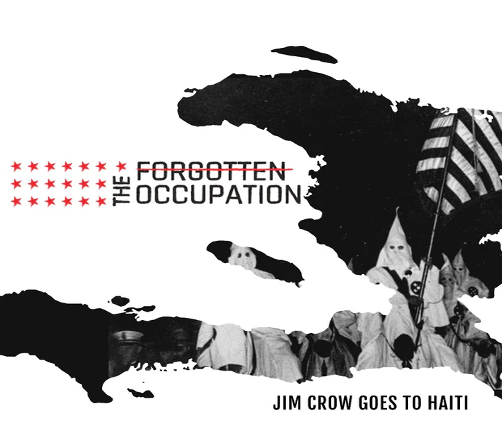
March 5th, 2026, the People’s Forum hosted Alain Martin at the Paul and Eslanda Robeson Cinema. Film description: Through a letter to his grandfather, a Haitian filmmaker revisits the U.S. occupation of Haiti, unraveling the paradox of a man who longed for American rule and a nation scarred by it. Blending intimate memory with sweeping history, the film confronts exile, love, and the uneasy truths at the heart of freedom.
Intersectionality as Critical Inquiry and Praxis Comment for the Congressional Hispanic Caucus Black History Month Afro-Latino Community Roundtable by Dr. Nancy López
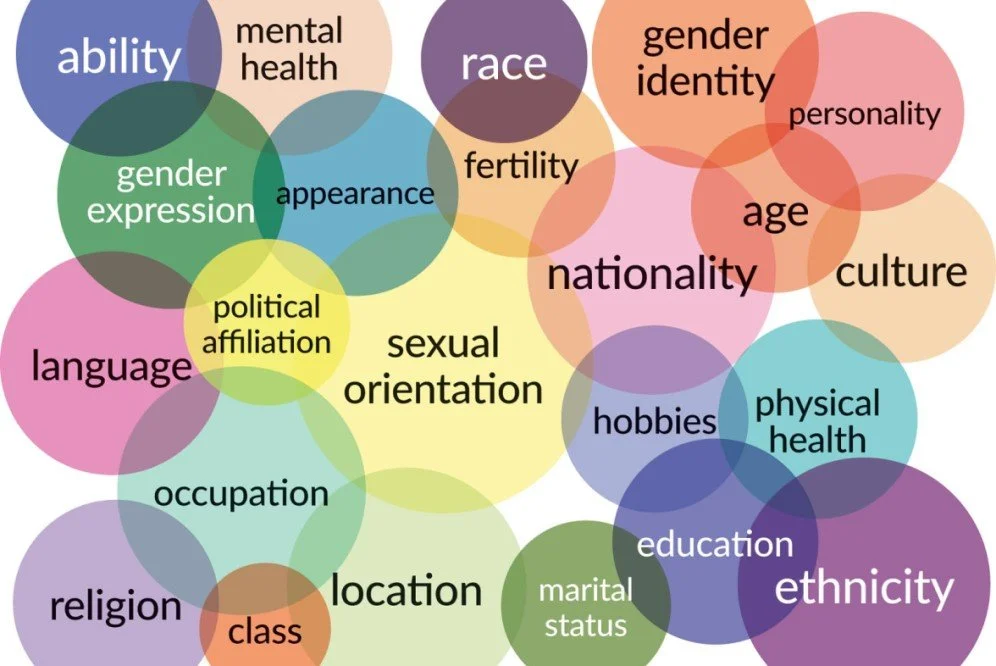
“I invite everyone to consider employing intersectionality as critical inquiry and praxis (action/reflection) as an ethical normative principle for data collection, analysis and reporting and distribution of resources. Intersectional frameworks depart from the premise that inequities are complex. Race, Ethnicity, National Origin, Ancestry are all analytically distinct, yet simultaneous categories of experience.”

AfroLatin@ Forum Statement for the Congressional Hispanic Caucus Black History Month Afro-Latino Community Roundtable
The OMB removal of Blackness from Latindad is also evident in its refusal to include Latin American nations as examples of Black-origin populations on the census form. OMB Black origin nation examples are limited to Nigeria, Ethiopia, Somalia, Ghana, Congo, Haiti and the multiracial nations of Jamaica and Trinidad and Tobago. Explicitly excluding Latin American regional examples effectively means that Afro-Latinos with origins in for example Colombia, Cuba and the Dominican Republic, are all excluded from the invitation to select Black.
Afro-Latino scholars provided the federal government a detailed statistical methodology for retaining some of the important distinction between race and ethnicity. Allow our contributions to be your blueprint.
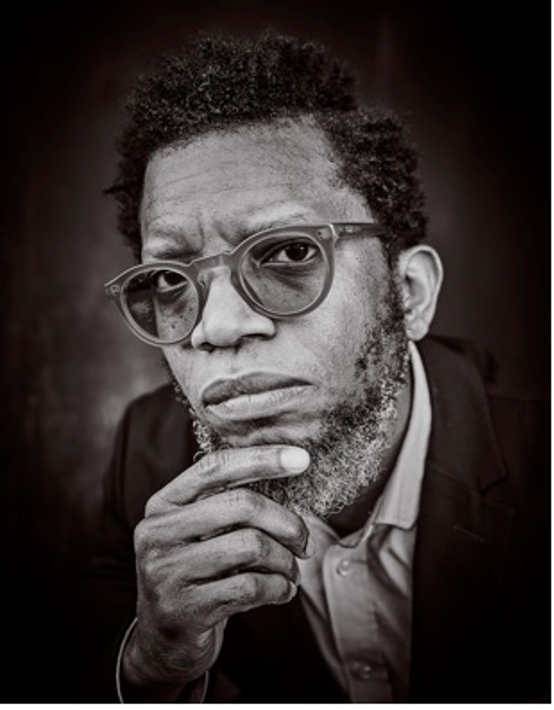
The Creative Mind of Aruán Ortiz
Follow Ayanna Legros conversation with Aruán Ortiz; a pianist, violist and composer active in the contemporary Jazz scene. Read how his Cuban origins and Brooklyn roots influence his creative process.

I’ve Lived in Brazil for 2 Years and I Don’t Want to Speak Portuguese (Yet?)
Follow Tamara Isaac journey as a Black Haitian immigrant in Brazil - about language, belonging, and refusing assimilation in the face of constant anti-Black othering. Explore how language becomes a site of both power and violence for Black immigrants in Latin America, and how refusing to "fit in" can be an act of self-preservation.

Unlocking the Power of Jenna Arvelo: An Interview by Ayanna Legros
This interview explores the wide breadth, inner consciousness, artistic journeys, practices, influences, and inspirations of the artist Jenna G. Arvelo. Jenna G. Arvelo most recently exhibited her painting Raised of Dragons at the Black New York exhibition curated by Folana Dione Miller, Director of Galerie Shibumi. At this exhibition Ayanna Legros, the interviewer, met Jenna G. Arvelo became a fan of her work. The discussion covers a series of topics including Jenna G. Arvelo's personal experiences, studies, geography, care, surreal modes of painting, spirituality, and symbolism.

The Last Play By Rickérby Hinds:A bullseye for Afrolatino theatre... from the Understudy's perspective
Read about the new AfroLatino musical taking LA by storm, The Last Play By Rickérby Hinds, from the female understudy Shannon J. Sharpe. The representation of Black Latino stories is essential in today’s media, especially with Hispanic Heritage month around the corner. Celebrate AfroLatinos by reading this blog where you will get direct quotes from actors who have found belonging in performing in The Last Play.